IEA-USP launches maternal and child health initiative in Marajó, focused on preventing respiratory illness
Supported by Sanofi, Melgaço (state of Pará) will provide training for health workers and ongoing care for 400 children and pregnant women
São Paulo, October 20, 2026 — The Study Group on Vulnerability, Governance and Citizenship, led by physician and professor Paulo Saldiva and based at the Institute of Advanced Studies of the University of São Paulo (IEA-USP), announces the launch of the Vozes do Marajó ("Voices of Marajó") project. The initiative aims to strengthen maternal and child health and prevent respiratory illness in early childhood in Melgaço, a town in the Marajó archipelago, in the state of Pará. Melgaço has the lowest Municipal Human Development Index (MHDI) in Brazil.
With support from Sanofi, a biopharmaceutical company with more than 100 years of presence in Brazil, field activities will begin in February 2027 and are expected to run until 2029. The project combines applied research, on-the-ground care, ongoing follow-up, and training for local public health workers. Its goal is to strengthen primary care and expand access to prevention, early detection, and follow-up care for respiratory illness, with a focus on children and expectant mothers
“The Vozes do Marajó project and its governance platform were created to build, from the Brazilian Amazon, a health implementation model capable of generating applied evidence and replicable solutions for other regions. This partnership brings together academic knowledge, a long-term commitment to the local community, and trust built over time,” says Pedro Docema, coordinator of the project and its governance platform, from USP.
A model for health equity
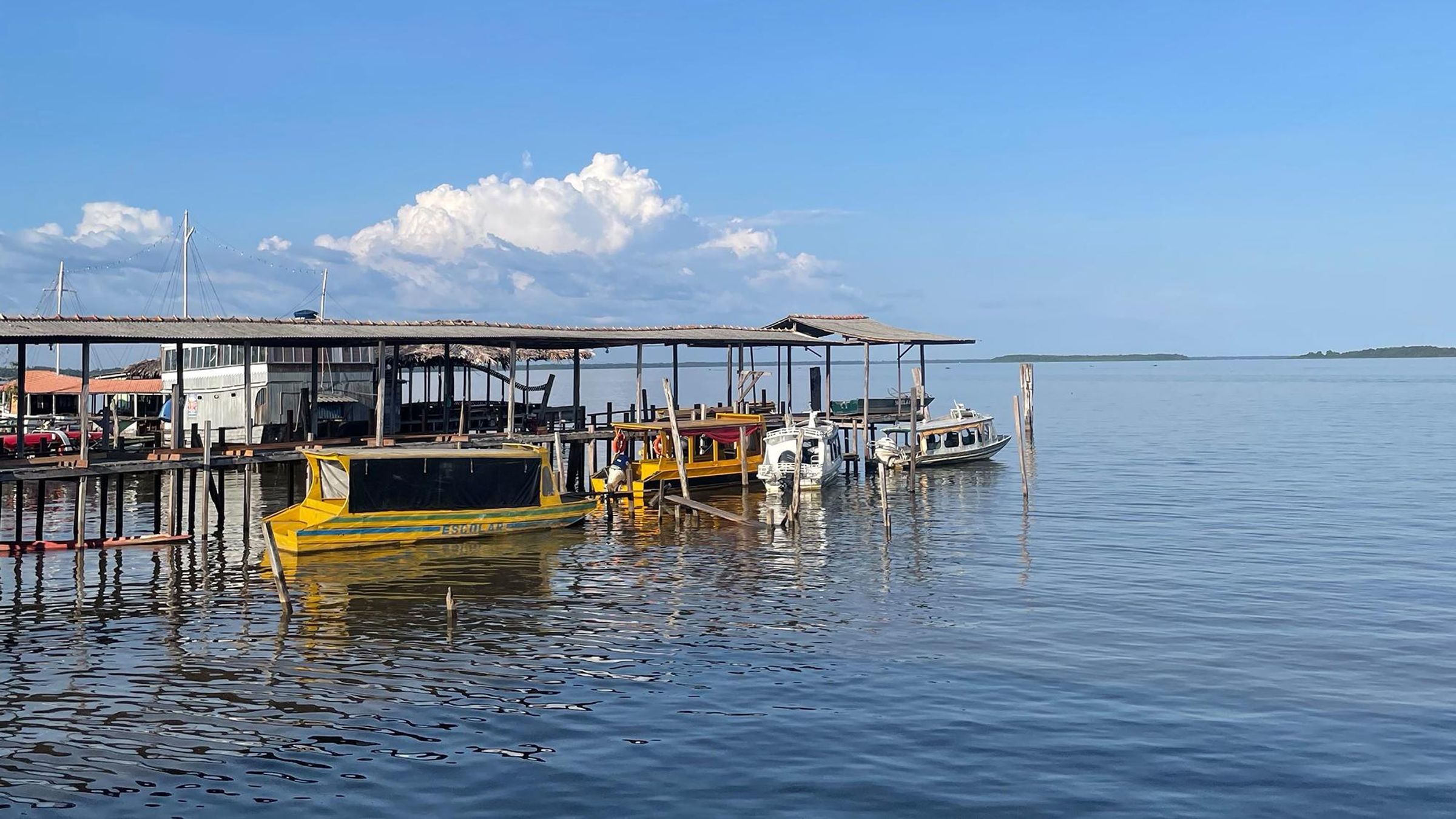
In Melgaço, most riverside communities can only be reached by boat, which makes it harder for health teams to travel, keep up with ongoing care, and deliver essential supplies. The initiative aims to help overcome these barriers and strengthen the local health network's capacity to care for patients.
According to Brazil's Ministry of Health, hospital admissions of children under 10 for respiratory illness in Melgaço rose by 187.5% between 2010 and 20191.
To improve these numbers, the project plans to provide ongoing care through 2029 for approximately 400 children and pregnant women living in vulnerable conditions; to map the homes and environment of 20 riverside communities; and to provide continuous training for at least 40 professionals in the municipal primary health care network.
Field activities will include medical consultations, preventive care, assessment of environmental exposure, review of vaccination status, and training for local health teams.
The project also aims to generate evidence that can guide health approaches in other Amazonian territories and across the Global South. To this end, IEA-USP will produce databases, scientific articles, and technical reports throughout implementation, helping to build a replicable health governance model.
“Expanding access to health care means understanding the barriers that are part of people's lives and working together to overcome them. Through our support for the Vozes do Marajó project, we aim to strengthen care for children and pregnant women, support local health professionals, and build solutions that respond to the needs of the community. It is a way of turning our commitment to health into concrete action, with continuity and impact,” says Fernando Sampaio, President of Sanofi Brazil.
Engaging volunteer researchers
The Study Group on Vulnerability, Governance and Citizenship takes an interdisciplinary approach, combining scientific research, public policy analysis, and an understanding of territorial dynamics. In Melgaço, the goal is to understand how vulnerabilities are produced, reproduced, and addressed in the relationships between people, territory, and the State.
To this end, IEA-USP is inviting students and young researchers from across Brazil to take part in this scientific effort. Their work will be integrated into the follow-up care and the strengthening of the municipality's health network. Environmental factors and housing conditions will also be assessed. Those interested should complete the form available on the IEA website.
Partnership model
The design, execution, scientific governance, and interpretation of results of the program are carried out independently by the IEA-USP Study Group. Sanofi provides financial support for the initiative, with a focus on respiratory health, and will receive annual progress reports, while preserving the project's academic and scientific autonomy.
References:
- Ministry of Health – National Registry of Health Facilities (CNES) / DATASUS, 2020.
About IEA-USP
Founded in 1986 by José Goldemberg, then dean of the University of São Paulo (USP), the Institute of Advanced Studies (IEA-USP) turns 40 in 2026. Its mission is to foster dialogue between different fields of knowledge and contribute to discussions on issues that matter to Brazil. Inspired by similar institutes around the world, IEA-USP carries out interdisciplinary research, supports studies that can help shape public policy, and holds events open to the public. Today, the Institute includes nine endowed chairs and more than 40 research and study groups, along with researchers, visiting professors, and collaborators from institutions and countries around the world. IEA-USP is also part of UBIAS, an international network of advanced study institutes linked to universities. Through free public events, books, and its own journal, the Institute helps make the knowledge produced at the university more widely available and strengthens the connection between academia and society.
About Sanofi
Sanofi is a biopharmaceutical company driven by R&D and artificial intelligence, committed to improving people's lives and delivering meaningful growth. We draw on our deep understanding of the immune system to develop medicines and vaccines that treat and protect millions of people around the world, with an innovative pipeline that could benefit millions more. Our team is guided by a shared purpose: chasing the miracles of science to improve people's lives. This inspires us to drive progress and create a positive impact for our employees and the communities we serve, tackling some of the most urgent health, environmental, and social challenges of our time. Present in Brazil for more than 100 years, Sanofi reaffirms its long-term commitment to the country, continuing to invest in and grow with innovative biopharmaceutical medicines and vaccines for Brazilians.
Media Contact – Sanofi
Imprensa.sanofi@agenciamaquina.com
Press Office – USP School of Medicine
Phone: (11) 3061-7694 / 7585
Email: imprensa@fm.usp.br